Hi, I'm Charisse C. Lorejo
Section CD
This is my portfolio for CSMC 57 where all my learnings and experience are compiled together.
More About me!About this Porfolio
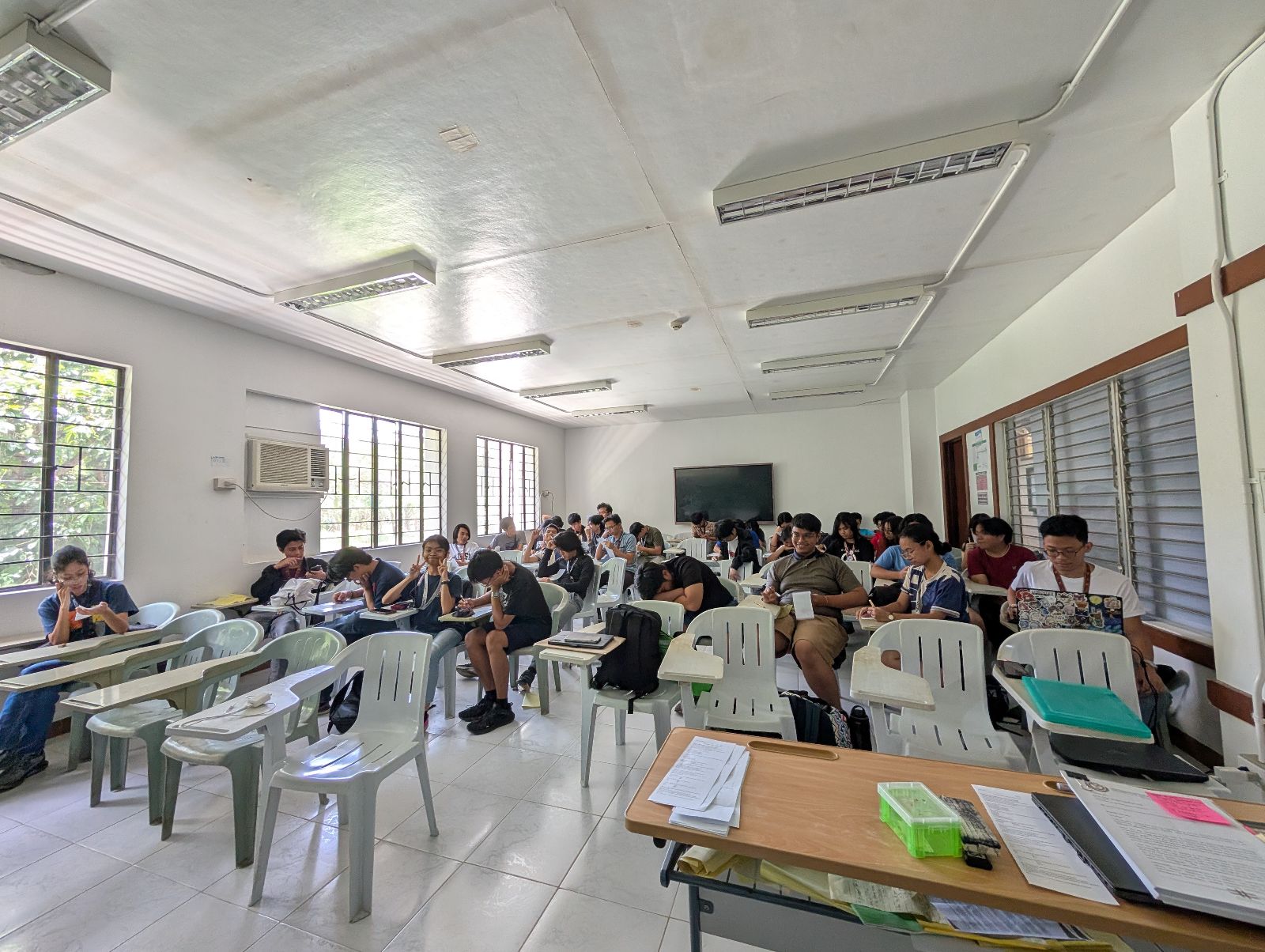
Hi, I'm Charisse Cardines Lorejo, from the Philippines
Welcome to my CMSC 57 ePortfolio! This is a collection of everything I’ve learned, reflected on, and applied throughout the course Discrete Structures in Computer Science. Each section connects abstract mathematical concepts to real problems in computing, like building smarter algorithms, making secure systems, or understanding how data travels through networks. By putting theory into context, I’ve come to appreciate just how much math powers the world of technology and how much it shapes the way we think as computer scientists.
Experience
Plants VS Zombies ExpertArchievements
TH 11 (COC)Mythic (ML)
Age
Level 19All the Topics from CMSC 57
What We Covered
What We Covered on Counting
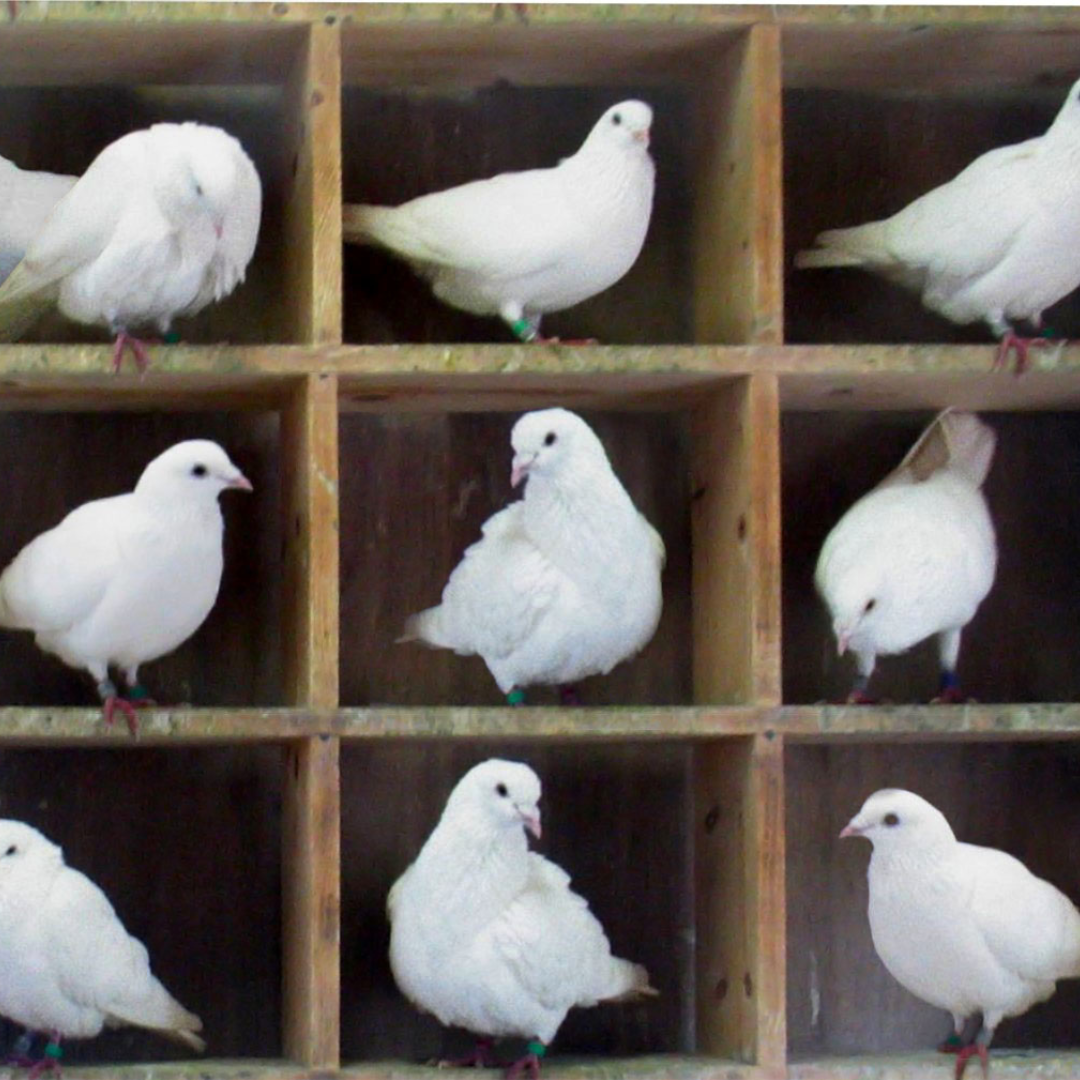
We started with the basics of counting permutations, combinations, the Pigeonhole Principle, and generating sequences. My favorite part was generating permutations and combinations. There’s something satisfying about knowing you can follow a set of rules and predict every possible order or combination.

Where It Shows Up in Computer Science
Counting in Computer Science
Counting shows up all over CS. From figuring out how secure a password is to brute-force algorithms and solving optimization problems, it’s a key skill.
What I've Tried and What I've Learned
Example I Tried in Counting and the Things I've Learned
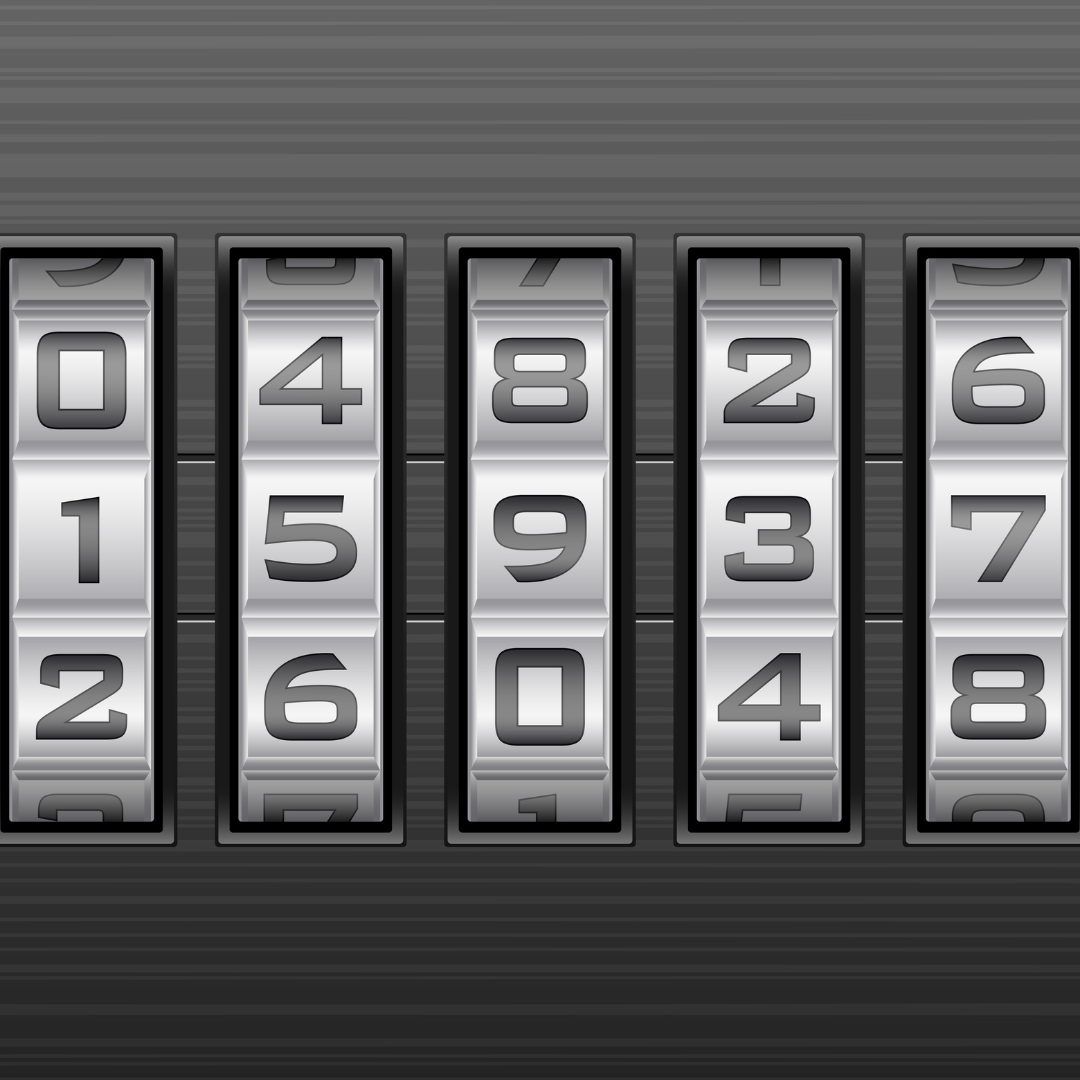
When working on a password generator, I realized how counting helps measure security.
For example, an 8-character password made of lowercase letters has 26826^8 combinations, which is over 200 billion!
That’s a good reminder that even small changes in length or character set can make systems much harder to crack.
This topic trained me to think in terms of possibilities and limits. It helped me understand algorithm complexity
and made me more thoughtful when designing solutions that involve large datasets or decision trees.

What We Covered
What We Covered on Algebraic Structures and Groups
We explored transformations like rotating or flipping a square and how these form groups when you combine them. We learned about identity elements, inverses, and associativity. I liked how visual this topic was. Seeing symmetry in action made these abstract ideas easier to understand.
Where It Shows Up in Computer Science
Algebraic Structures and Groups in Computer Science
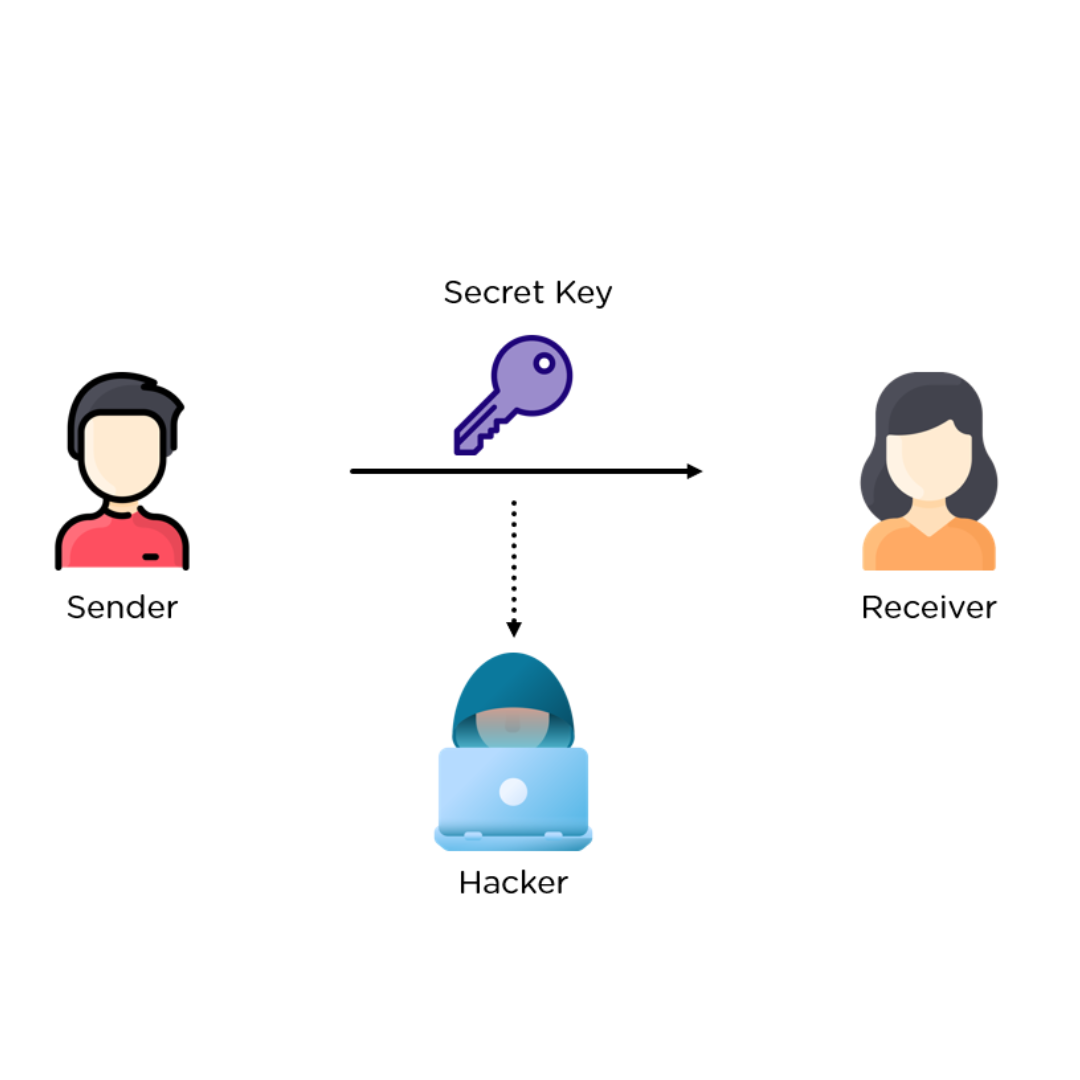
Groups are everywhere: cryptographic algorithms like RSA and Diffie-Hellman, computer graphics for rotating objects, and even in coding theory for fixing transmission errors.

What I've Tried and What I've Learned
Example I Tried in Algebraic Structures and Groups and the Things I've Learned
A Rubik’s Cube is a real-world group, each twist is like applying a group operation.
Solving the cube means understanding how these moves interact. Another cool example: in robotics, transformations
form groups that control how robots move and return to a starting position.
This topic helped me see structure in systems. I now recognize how operations relate to each other
and how that relationship creates predictability in code and design.
What We Covered
What We Covered on Groups, Rings, and Fields
We took things further by looking at more abstract structures groups, rings, and fields. These go beyond just numbers and allow us to define operations over sets in a structured way. What stood out to me was how something like modulo arithmetic can build an entire system.
Where It Shows Up in Computer Science
Groups, Rings, and Fields in Computer Science
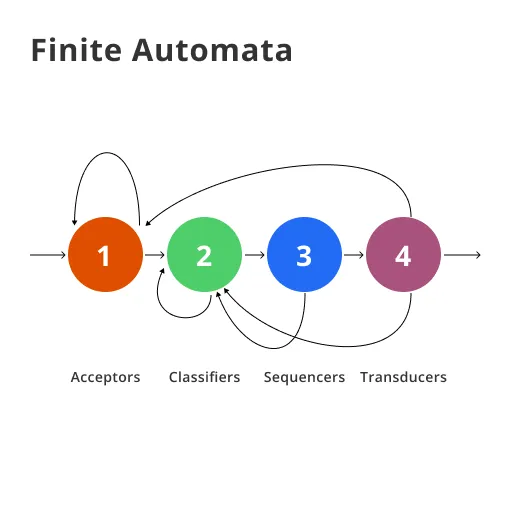
These structures are used in cryptography, checksums, finite automata, and digital communication. Understanding them is key to building systems that are both secure and reliable.
What I've Tried and What I've Learned
Example I Tried in Groups, Rings, and Fields and the Things I've Learned
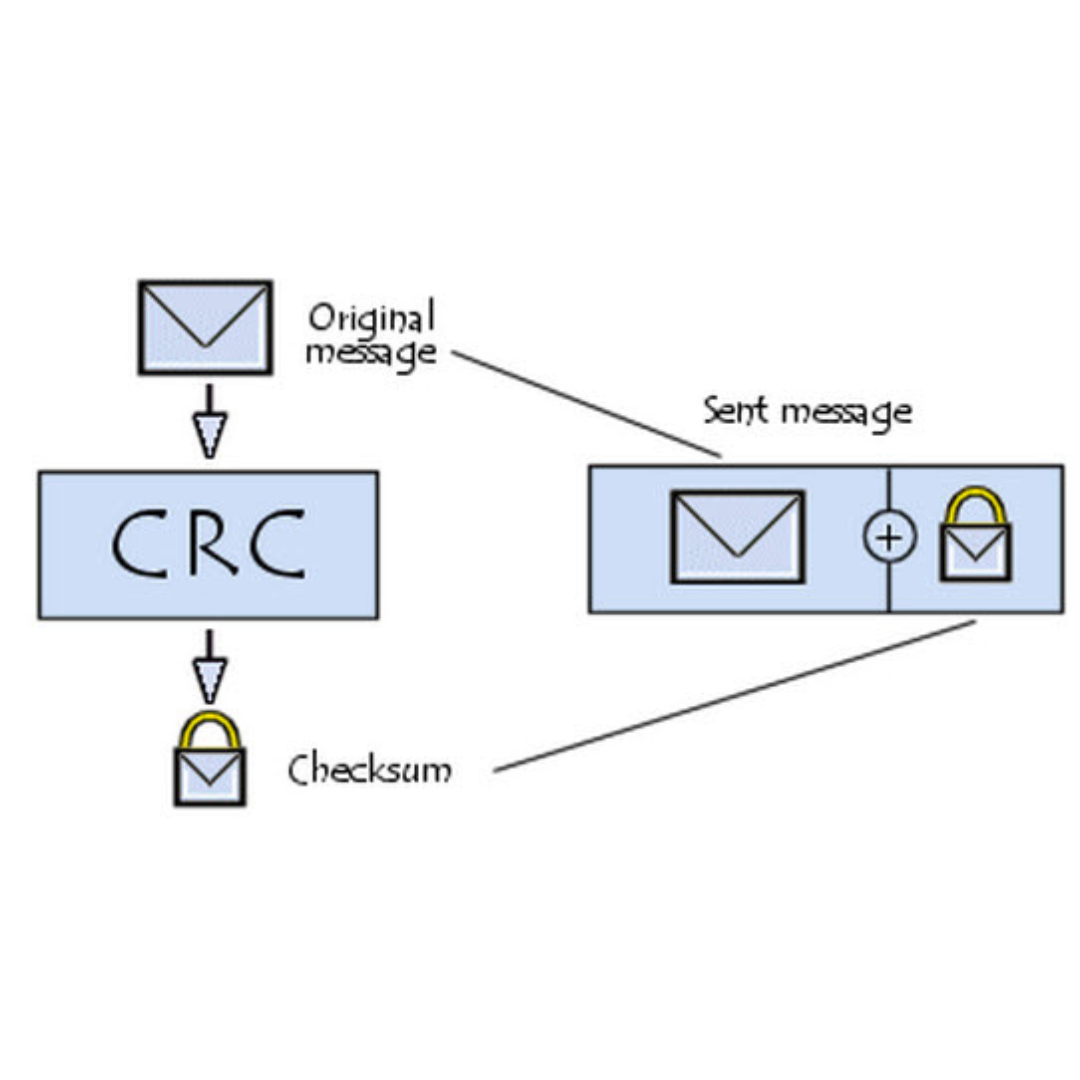
I looked into CRC (Cyclic Redundancy Check) for data transmission. It uses
arithmetic over GF(2) basically modulo 2, to check for errors. Simple concept, powerful results.
It amazed me how much reliability we get from just a few algebraic rules. Understanding fields and rings showed me that clean,
consistent logic is often hiding behind the scenes in systems we take for granted.

What We Covered
What We Covered on Discrete Probability
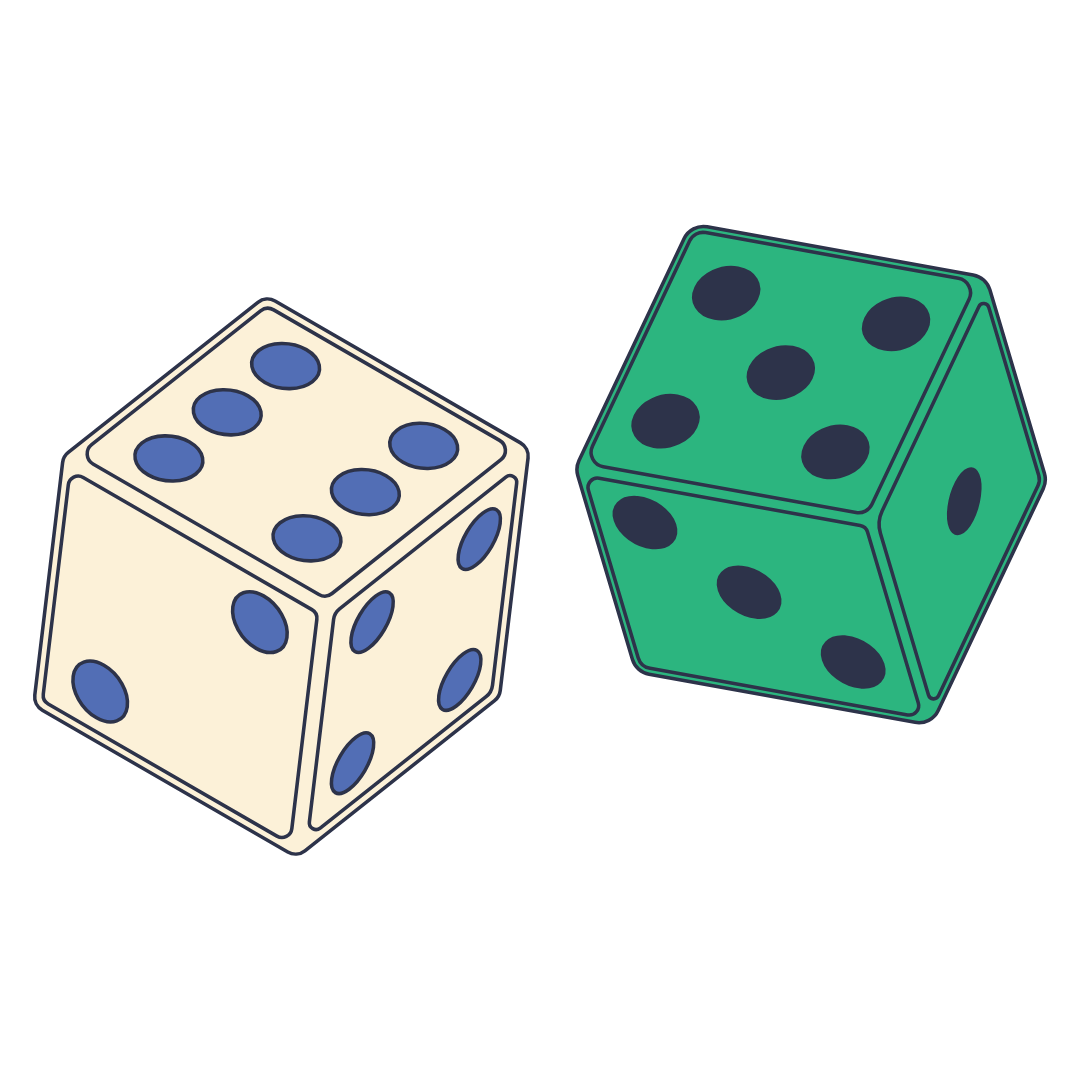
We dove into probability theory, Bayes’ Theorem, and expected value. These concepts help us make decisions under uncertainty, which is basically the heart of AI and data science.

Where It Shows Up in Computer Science
Discrete Probability in Computer Science
Discrete probability plays a big role in machine learning, AI decision-making, predictive analytics, and algorithms that need to adapt to uncertain input.
What I've Tried and What I've Learned
Example I Tried in Discrete Structures and the Things I've Learned
I looked into how likely it is for a server to fail in a small network
with several nodes. I used basic probability distributions to estimate how reliable the system would
be and how often it might go down.
This topic taught me how to bring structure to randomness. Probability helps us make smart guesses when
we don’t have all the facts, something that happens a lot in the real world.

What We Covered
What We Covered on Graphs
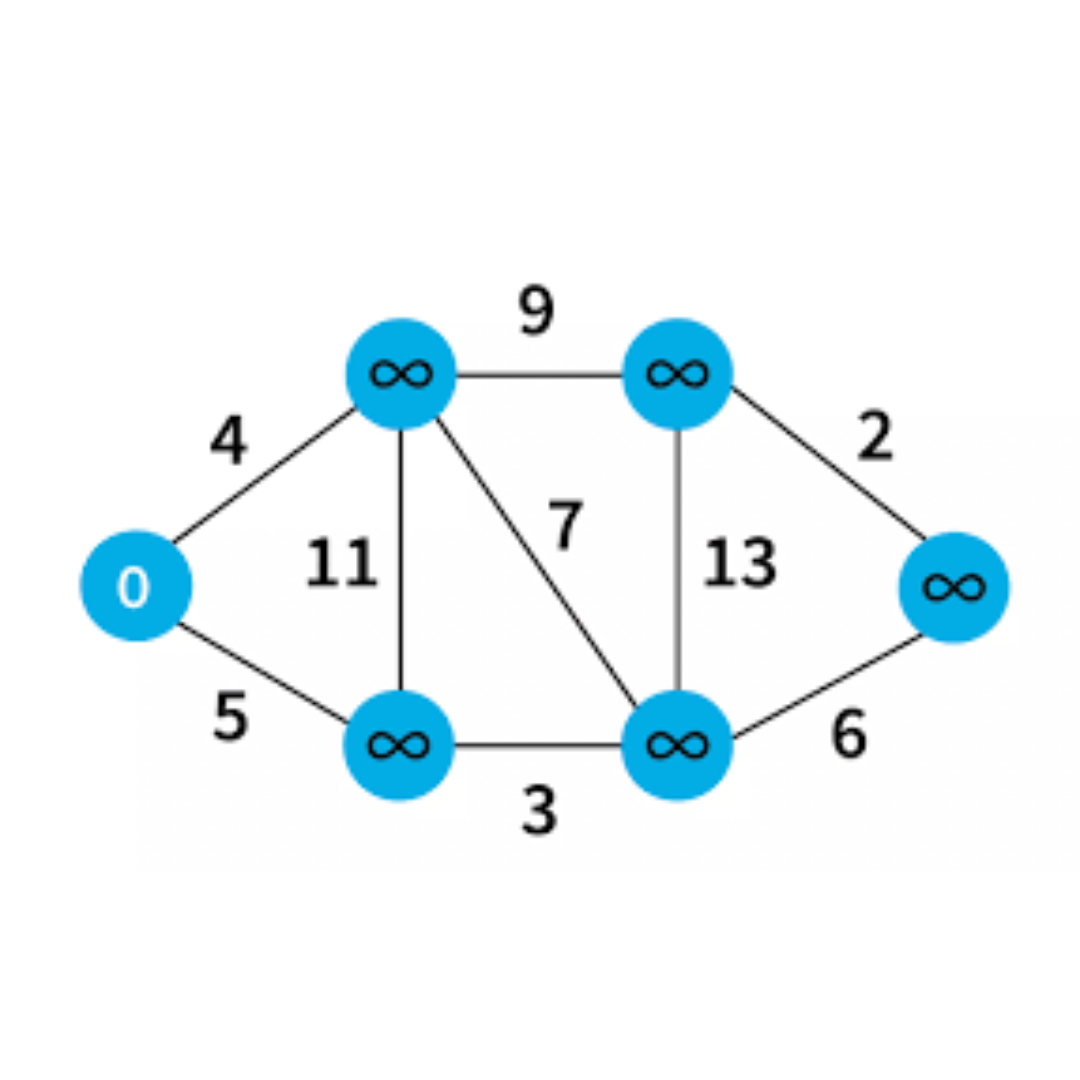
This was one of the most fun topics. We studied graphs and their types, connectivity, paths (Euler and Hamiltonian), shortest-path algorithms, graph coloring, and more.

Where It Shows Up in Computer Science
Graphs in Computer Science
Graphs are everywhere in routing algorithms (like Google Maps), compiler design, social network analysis, and task scheduling.
What I've Tried and What I've Learned
Example I Tried in Graphs and the Things I've Learned
I used Dijkstra’s algorithm in C++ to calculate the shortest route between
cities. I also applied graph coloring to a class scheduling problem, ensuring that no overlapping classes
were assigned the same time slot.
Working with graphs helped me think visually and logically at the same time. Whether it’s debugging a
program or mapping relationships in a system, graph theory gave me the tools to understand complexity more clearly.

App for Technology & Services
A stylish burger restaurant mobile app interface displayed on two smartphones
- Created - 15 Apr 2025
- Technologies - html css
- Role - frontend
- View - www.domain.com
Conclusions
To sum this up...
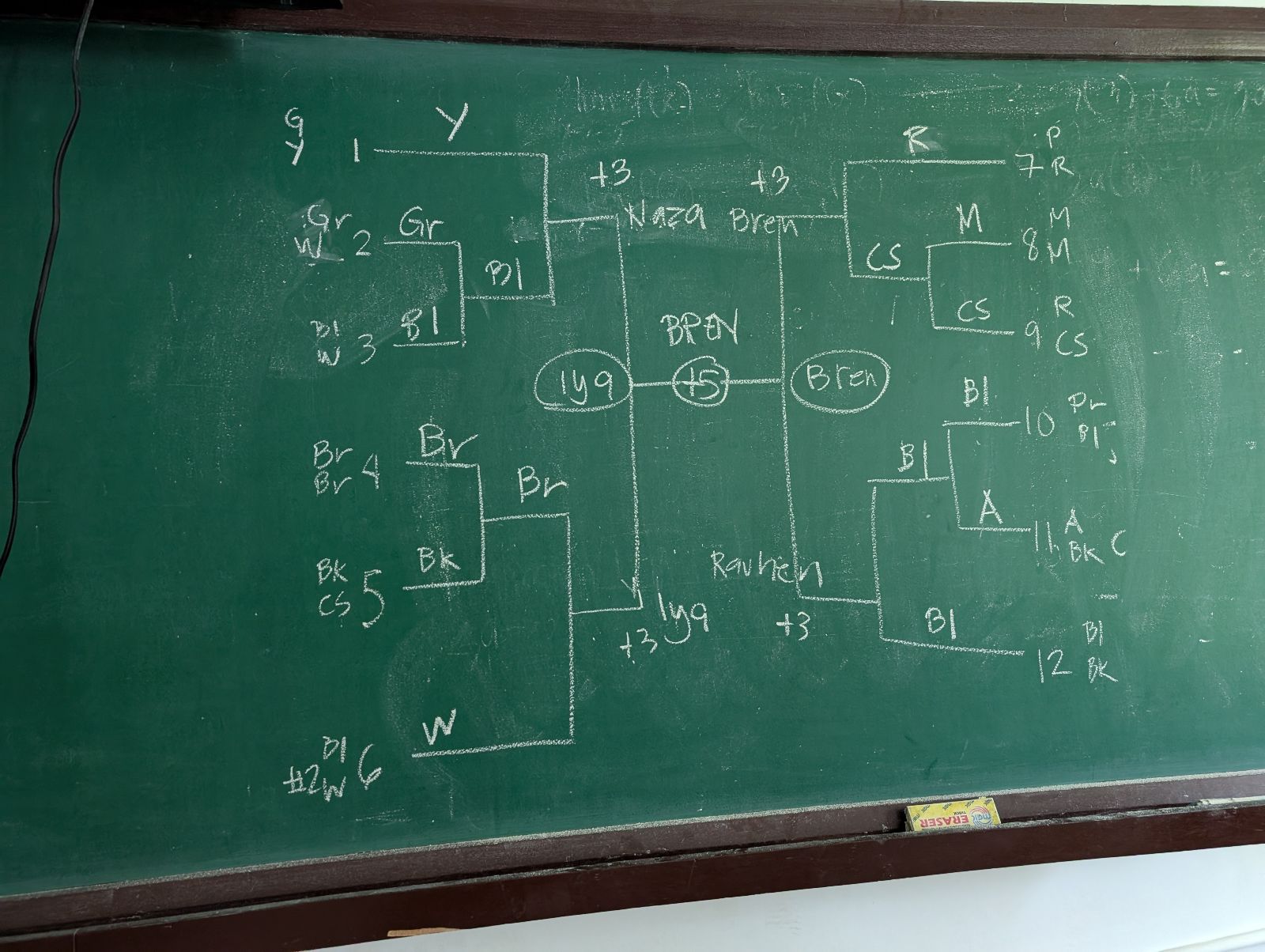
CMSC 57 has been more than just a math course. It’s given me a way to think logically, structurally, and critically. Whether I’m analyzing the number of outcomes in a problem, designing secure systems, modeling uncertainty, or mapping data, the skills I’ve gained here will stay with me. These concepts may seem abstract at first, but they are deeply connected to the tools and systems we use every day in computer science. This ePortfolio is not just a summary of what I’ve learned, it’s the starting point for the kind of thoughtful, well-designed solutions I want to build as a future software engineer.